Common skin conditions


Dry skin is extremely common and can appear all over the body, but is most predominant on the face, hands, arms and legs. Characterised by intense dryness, fragility, tightness, and even cracking and bleeding, dry skin can be made worse in winter thanks to wind, extreme cold and excessive heating – and switching between cold outside and warm inside environments.
Keeping the skin well moisturised with simple, skin-type-appropriate products is the best place to start tackling dry skin, but there are plenty of lifestyle changes that pharmacy teams can also advise customers to try to beat the ‘winter itch’.
For example, it’s a good idea to stay away from harsh skin cleansing products containing alcohol and choose mild, non-soap cleansers. During this cost-of-living crisis many people have already turned down their thermostat a few degrees out of necessity, but cooler rooms prevent the dry heat that dries out skin and using a humidifier will add moisture to the air.
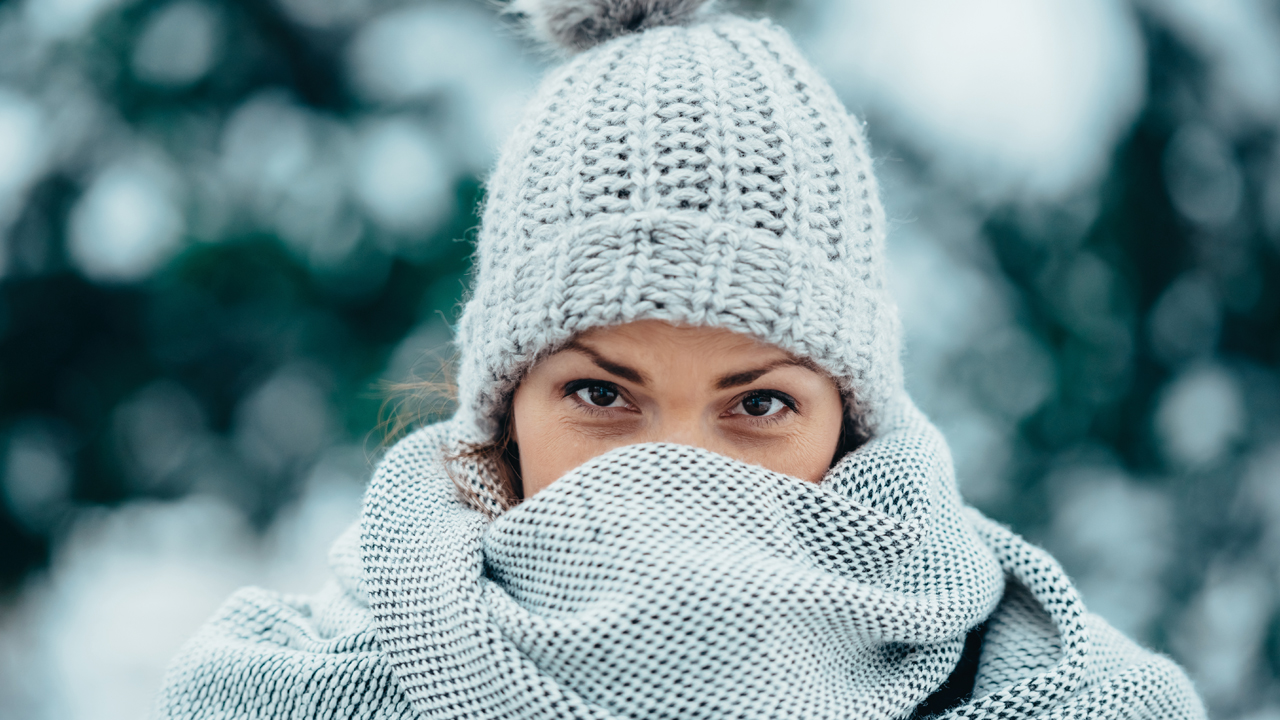
Wrapping up in warm layers to go outside will also protect skin from exposure to sudden temperature fluctuations. And of course, a healthy, balanced diet; low in alcohol and processed food promotes healthy skin, with customers who struggle to eat well potentially benefitting from supplementation.
Rosacea presents as facial redness and is a common long-term skin condition that can be worse in winter – affecting one in 10 people in the UK, mainly aged 40-60, and more common in women and people with lighter skin. It’s not known what causes rosacea, but common triggers include alcohol, spicy foods, cheese, caffeine, hot drinks and aerobic exercise like running.
Although rosacea cannot be cured there are treatments that can help, and pharmacy teams should encourage customers to see their GP as NHS advice says rosacea is a condition that can get worse if it’s not addressed.
Treatments that can help include prescription creams and gels, a course of antibiotics, and intense pulsed light (IPL) treatment. GPs may then refer patients to a dermatologist if these do not work. In the meantime, customers can be advised that heat and cold can make rosacea worse, so they should try to cover their face in cold weather.
It’s not just our faces that are at risk from winter blasts. The colder weather poses its problems when it comes to skin conditions that affect the body as well.
“Psoriasis, eczema or seborrhoeic dermatitis tend to deteriorate in the winter,” says Dr Adil Sheraz, consultant dermatologist and British Skin Foundation spokesperson. “Most of these conditions tend to get better in the sun, which is why you may notice your skin flaring in winter.”
Seborrhoeic dermatitis is the most common of the three and results in a flaky rash, sometimes with greasy feeling flakes around the nose, forehead and scalp. It is caused by a yeast that lives on the skin which can overgrow and encourage a rash to develop.
Eczema is another common skin condition, affecting one in five children and one in 12 adults, according to the National Eczema Society, while psoriasis affects some 1.8 million in the UK, with the number of diagnosed cases increasing.
The cause of psoriasis is still a mystery, although it is now established as a multi-system disease affecting skin and joints and associated with inflammation through the body, especially the cardiovascular system. The normal process of skin turnover of three to four weeks happens over three to seven days for people with psoriasis, so immature thick skin is pushed to the surface, causing thick plaques.
There are many treatments available for both eczema and psoriasis, but their efficacy varies from person to person. Emollients help with psoriasis as they help soften hard skin plaques, remove scales and prevent itching, although customers struggling with these if their condition is extensive should be referred to their GP as there are other treatments that can help moderate to severe psoriasis. Emollients are also used to tackle atopic eczema, along with topical corticosteroid creams and ointments to reduce swelling and redness during flare-ups.
As well as advice about a balanced diet, Dr Sheraz’s top tips for looking after body skin in winter are:
- Moisturise: The skin on certain parts of your body is thinner and therefore will lose more fluid. Areas such as lips, knees, elbows will often look dryer. Most of this ‘drying out’ will occur at night so moisturise not only during the day but before sleeping. You can also improve the skin’s barrier function by applying regular emollients that contain ceramides and vitamin B
- Hydrate: We tend to drink less water in the winter and will often resort to hot caffeinated drinks which act as diuretics resulting in more fluid loss. Dehydration will give a lacklustre and dull appearance to the skin so drink plenty of water and not just coffee or alcohol
- Exfoliate: A weekly gentle exfoliation will clear the stratum corneum – the top few layers of skin which is mostly comprised of dead cells. Clearing this layer will allow for better penetration of moisturisers
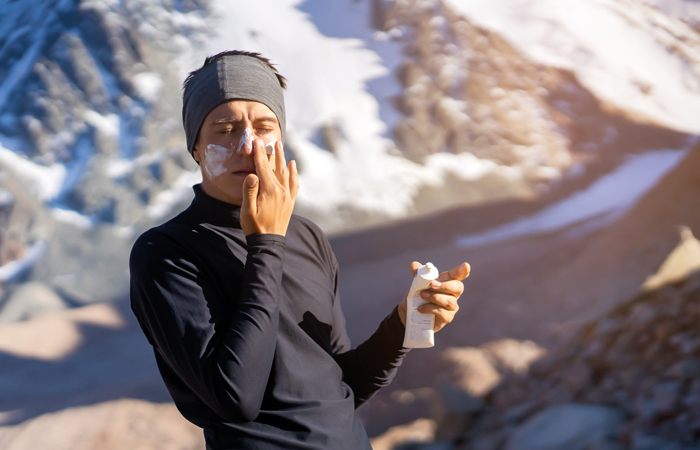
- Sunblock: A sunblock should ideally be used all year around to protect against developing wrinkles and importantly reduce skin cancer risk (see below for more on winter sun care).
Feet can also bear the brunt of switching between hot and cold temperatures in winter. Chilblains are small, itchy swellings on extremities such as fingers and toes that occur when blood vessels near the surface of the skin contract in reaction to cold and then expand too quickly when exposed to heat.
Although it’s tempting to warm up cold feet in hot water, on a radiator or with a hot water bottle, customers can avoid chilblains by instead soaking their feet in warm water to allow them to gradually return to their normal temperature.
Most chilblains get better on their own after a few weeks, but people who are prone to them can help keep them at bay by staying warm and active, and giving up smoking, as having good circulation can help prevent chilblains.
Winter can be a challenging time for people with skin conditions, so being able to help customers with good advice, helpful support and signposting will go a long way to help them feel comfortable and stay healthy.