

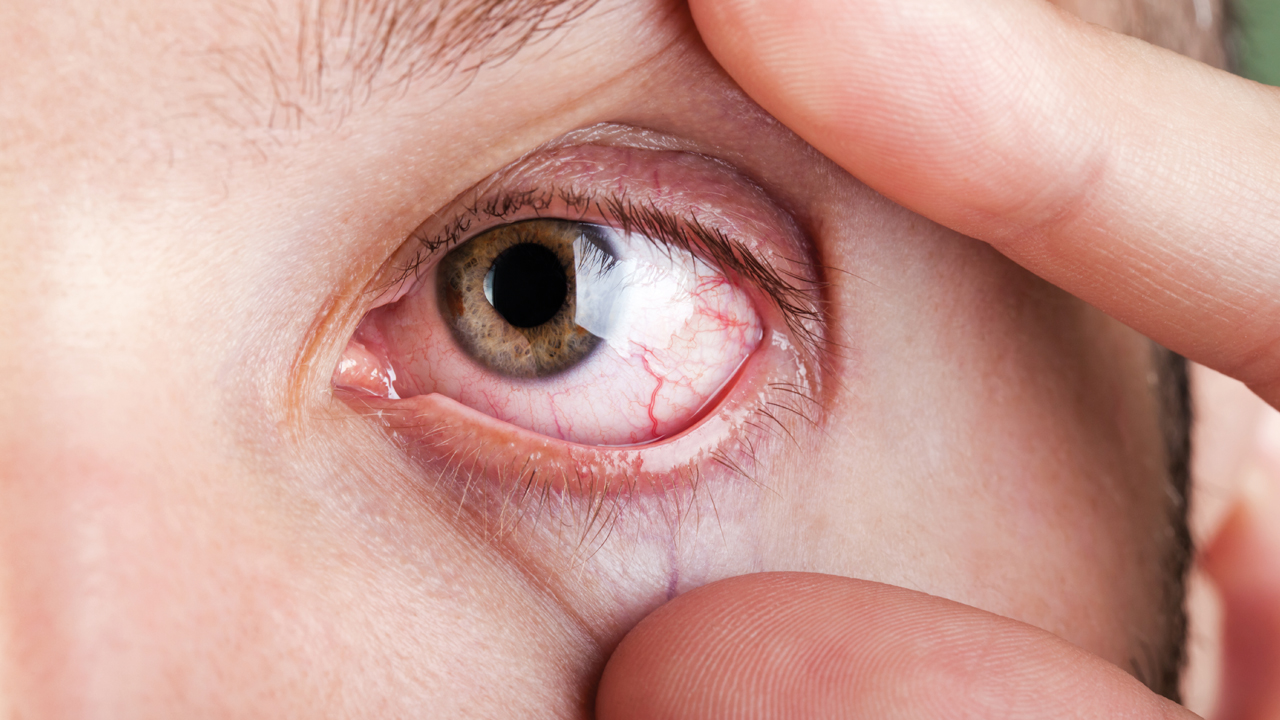
Our eyes are extremely complex, vital organs, but until they experience a problem with their sight, many people overlook their eye health. Getting regular check-ups can prevent and halt a number of eye health issues in their tracks, but there are plenty of things that the pharmacy team can spot – and advise on – to help customers prevent eyesight failure and other eye health problems.
The most common eye conditions that affect people in the UK are:
- Age-related macular degeneration (AMD) – this causes problems with the central vision which can become distorted or blurry, and is significantly affected by diet and smoking
- Glaucoma – a hereditary condition which causes optic nerve damage due to changes in the pressure in the eye. This can lead to loss of peripheral (side) vision and blindness if not managed with daily drops
- Diabetic retinopathy – the main cause of sight loss in the under-60s in the UK, this causes the central vision to become patchy making it difficult to read and drive
- Cataracts – a very common eye condition as we age, causing the lens inside the eye to change and become less transparent
- Retinitis pigmentosa – a group of inherited eye conditions that affect the retina at the back of the eye causing permanent changes to eye sight
- Lazy eye in children – also called amblyopia, this is when the vision in one eye does not develop properly, with treatment options including wearing glasses, using eye drops, or even surgery
- Light sensitivity (photophobia) – this causes discomfort or pain in response to normal levels of light or glare, which can then result in eye strain and headache/migraine.
Helping with eye health problems
Thankfully there is much that pharmacy teams can do to identify customers who may need help with eye problems. “Being aware of specific patient groups at increased risk of poor eye health is a great place to start,” says David Cartwright, optometrist and chair of the charity, Eye Health UK.
“For instance, smokers have a significantly greater risk of sight loss and higher propensity to suffer conditions such as dry eye or general eye irritation, so asking a patient who signs up for your pharmacy’s smoking cessation programme or purchases quit smoking products how their eye health is and whether they are up to date with routine eye tests could help benefit that patient. Most smokers know that their habit increases the risk of cancer or lung disease but fewer than one in 10 is aware of the link between smoking and sight loss.”
People with diabetes are another group who have increased risk of poor eye health. “Again, asking about a patient’s eye health when dispensing repeat prescriptions for diabetes medication can make a real difference to your patient’s wellbeing,” says David.
“Perhaps one of the most common small pieces of advice is for those patients who are on eye drops for glaucoma: after instillation, do they occlude the puncta [the small funnel-like drain hole found in the inner corner of the upper and lower eyelids] so the drop has more time to absorb?”
Other patient groups at increased risk of poor eye health include contact lens wearers, screen users and people who are obese. Some common medicines such as birth control pills, antidepressants, cardiovascular drugs or medication such as tamoxifen can also have eye health side-effects. David suggests that “it may be beneficial to include a notice about this on your pharmacy labels when dispensing these medicines”.
Spring allergies (hayfever) and winter respiratory infections also cause a spike in patients requiring OTC eye care products.
“Know the signs of conditions such as conjunctivitis or blepharitis so you can confidently assist in selecting appropriate OTC remedies”, says David, “and most importantly for any of the ‘at risk’ groups [over 60s, diabetics, smokers, etc.] advise that they have a regular sight test, every two years, which is vital to prevent avoidable sight loss”.
OTC products that may help
Many eye problems can be treated with over-the-counter (OTC) products and advice in the pharmacy, says Kenny Chan, Numark lead information services pharmacist.
For example:
- Vision – If a patient is struggling to read or see objects clearly, it could be a problem with their vision. In this case they may need glasses
- Infections – Conjunctivitis can cause discharge from the eye itself. Chloramphenicol eye drops or ointment can be used to treat the infection in patients over two years old.
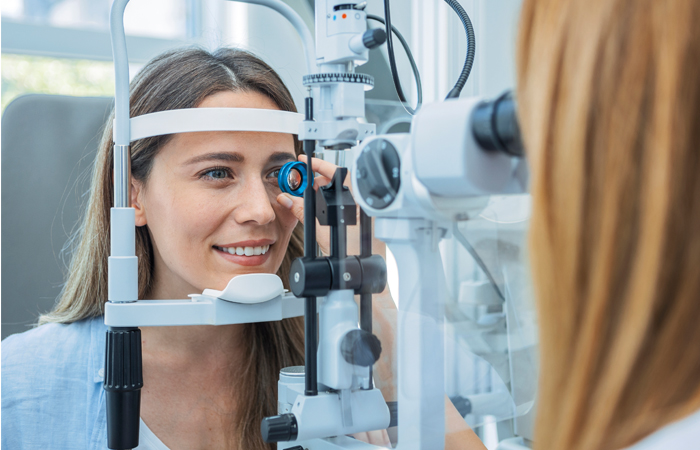
Customers should be encouraged to have a sight test, not just for their vision, but their eye health.


