

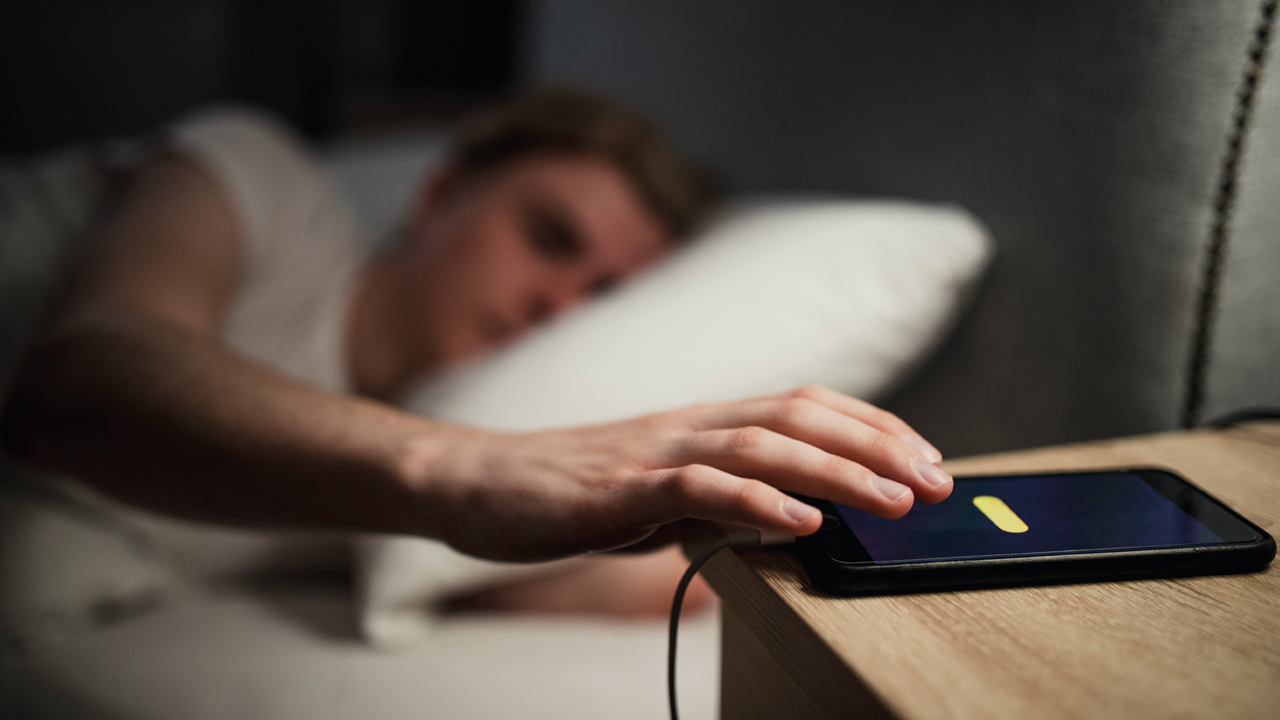
It seems we are a nation of poor sleepers, with one third of people in the UK thought to have episodes of insomnia at some point, according to NHS estimates, putting all aspects of our physical and mental health at risk.
Increasingly recognised as a disorder in its own right rather than merely a symptom arising from another medical or psychiatric illness, many experts also think insomnia is underdiagnosed and undertreated. So, what can pharmacy teams do to better spot – and help – customers struggling with insomnia?
Symptoms and causes
Insomnia is difficulty getting to sleep or staying asleep for long enough to feel refreshed the next morning and is particularly common in elderly people.
While there is no standard definition of what constitutes ‘normal sleep’ since the amount needed to ensure good health varies from person-to-person. With ageing, the National Institute for Health and Care Excellence (NICE) guidelines state that it usually takes less than 30 minutes for a person to fall asleep, whereas insomnia is difficulty in getting to sleep or staying asleep, early wakening, or non-restorative sleep-in which people spend adequate time in bed but feel unrefreshed and tired upon waking. As a result, daytime symptoms typically include poor concentration, mood disturbance, and fatigue.
The causes of insomnia also vary. “Poor sleep habits including irregular sleep schedules, excessive daytime napping, stimulating activities before bedtime, or an uncomfortable sleep environment can contribute to insomnia,” says Jacquie Lee, Numark medication safety officer and information pharmacist. “It’s also important to remember that the use of caffeine, nicotine, and alcohol can affect sleep quality”.
Underlying medical conditions can also have an effect. “Chronic pain, respiratory disorders (e.g., asthma), gastrointestinal problems (e.g., acid reflux), or neurological conditions (e.g., Parkinson’s disease) can interfere with sleep,” adds Jacquie. “The side effects of medication such as antidepressants, blood pressure tablets, epilepsy, corticosteroids and NSAIDs also hold the potential to disrupt a peaceful night.”


