

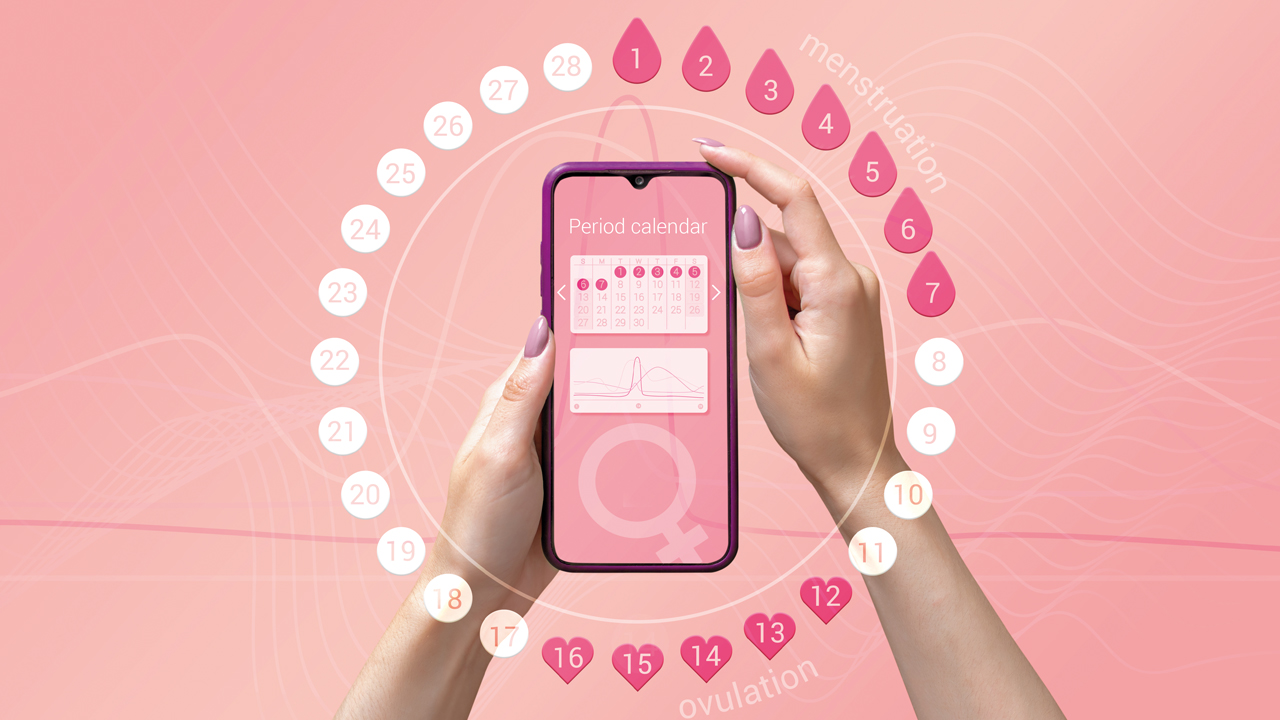
Infertility is the term used when a couple is having difficulty conceiving a baby despite having regular unprotected sex. According to the NHS, around one in seven couples have difficulty conceiving – that’s approximately 3.5 million people in the UK.
For every 100 couples trying to have a baby, 20 will conceive within one month, 70 within six months, 84 within a year and 95 within two years. However, for couples who have been unsuccessfully trying for more than three years, the likelihood of getting pregnant within the next 12 months is 25 per cent or less.
Infertility can be caused by many different factors. In general, about a third of infertility cases can be linked to a problem with the woman and another third to problems with the male partner. In some cases, multiple factors may be to blame, or an exact cause may never be identified.
In women, infertility is most commonly linked to problems with ovulation. Common hormonal causes preventing ovulating include:
Some women suffer from blocked fallopian tubes as a result of pelvic inflammatory disease or a previous ectopic pregnancy, and some sexually transmitted infections (STIs) such as chlamydia can also affect the fallopian tubes. There may also be physical problems with the uterus, the presence of fibroids – non-cancerous clumps of tissue on the walls of the uterus – or endometriosis where tissue similar to the lining of the womb grows in other places such as the ovaries or fallopian tubes.
Male infertility is usually linked to a low sperm count, reduced sperm mobility and/or a high percentage of abnormal sperm. Any condition that affects or damages the testicles, such as mumps or STIs such as gonorrhoea, can also cause problems such as abnormally low levels of the male sex hormone testosterone.