If you’ve been consuming popular culture in the last five years, you may have noticed an upsurge in storylines focused on HIV (human immunodeficiency virus).
Perhaps the most famous of these is BAFTA-nominated TV drama, It’s a Sin, which upon its release in 2021, rapidly became Channel 4’s most-watched drama series ever.
The impact of making healthcare information so accessible to audiences and the way this benefits awareness cannot be overstated. Indeed, when It’s a Sin was first released, HIV charity, the Terrence Higgins Trust reported that 8,200 HIV testing kits were ordered within a day (the previous highest amount was 2,800).
Reducing the stigma surrounding HIV, however, does not have to be limited to film and television. In fact, pharmacy teams can play a significant role in correcting misinformation and tackling any pre-conceived ideas customers may have.
So, what are the facts?
Focus on HIV
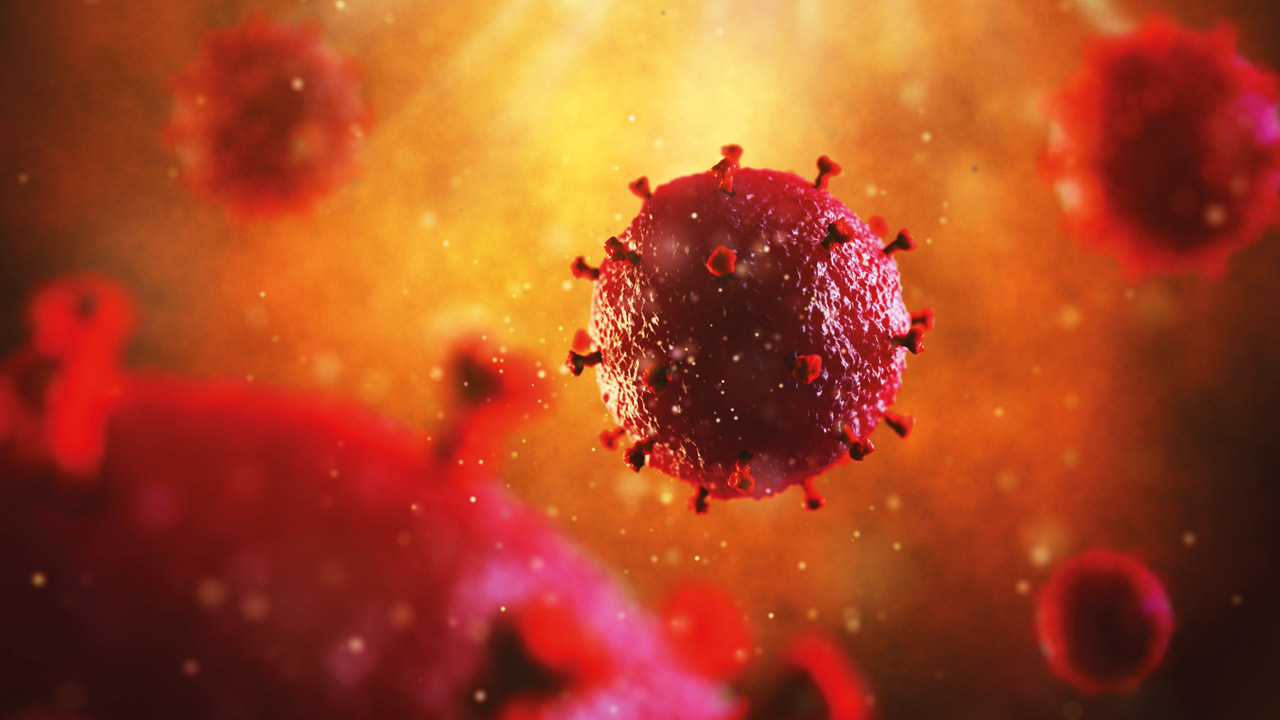
HIV is a virus which damages cells in the immune system and weakens an individual’s ability to fight every day infections and diseases. The virus is often automatically linked in people’s minds to acquired immune deficiency syndrome (AIDS) but the two are actually very different. Most importantly, AIDS cannot be transmitted from one person to another, whilst HIV can.
“HIV is a virus,” explains John Jaquiss, executive chairman at Talk HealthTalk and patient safety partner at University Hospitals Sussex NHS Foundation Trust. “It is an infectious virus, which is interested in one thing and that is that we are all human beings. AIDS only occurs if HIV goes untreated. It is any number of different conditions that actually attack the body because the immune system is not working properly. By confusing the two you are turning the clock back 40 years.”
According to the Centers for Disease Control and Prevention (CDC), aids-related illnesses include cervical cancer, herpes simplex, recurrent pneumonia and sight loss. There is no test for AIDS and it’s not a condition people can ‘have’, according to a spokesperson from the Terrence Higgins Trust. “Today we talk about people living with HIV and thankfully rarely need to talk about AIDS in the UK,” they explain. “Instead, doctors talk about late-stage or advanced HIV.”
Whilst at one point, an AIDS diagnosis had a very small survival rate, scientific advances mean this is no longer the case. “In this day and age, no one ever needs to die of AIDS,” says John. “The quicker you get diagnosed, the less time the virus has to start attacking your immune system and enabling other opportunist infections and conditions to start to attack the body.
“If it hasn’t had time to do those things, then those with the virus have the opportunity to minimise the risks involved and the problems that might arise as far as their health is concerned.”
Transmission
HIV is a fragile virus that does not survive outside of the body, making it far more difficult to transmit than one may assume.
“One of the biggest myths about HIV is that is can be transmitted by kissing, spitting, sneezing, coughing or general social contact,” says The Terrence Higgins Trust. “It’s not passed easily from one person to another. Some people think if you have unprotected sex with an unmedicated HIV positive person once, you will definitely contract the virus – but this isn’t the case.”
“Think quantity, quality and root,” adds John. “A situation has to satisfy all three for transmission to take place because unlike Covid, HIV is a delicate virus.”
HIV is transferred through the mixing of five bodily fluids including blood, semen, vaginal fluid, breast milk and anal mucus. According to the NHS, the most common way for an individual to become infected with HIV is through unprotected anal/vaginal sex with someone who does not know they are infected or is not on appropriate medication. Other forms of transmission include sharing needles or other injecting equipment and transmission from mother to baby.
In order for transmission to take place, however, the fluid must contain millions of copies of the virus. “If you’ve got a pool of blood from somebody who is HIV positive, the virus is dead in it,” explains John. “You’re not going to catch HIV if you put your hand in it or if, for example, you’ve got a cut on your hand.”
“The oxygen has got to it, so the virus is dead. Which is why when we talk about needle transmission, what needles are we talking about? Is it their mother’s sharp sewing needle? The answer is absolutely not.
“It’s exclusively the sharing of drug injecting needles because hypodermic needles have a vacuum, a tiny bit of the user’s blood is kept in that vacuum and then is transferrd to the next person to use the needle.”
PrEP is key
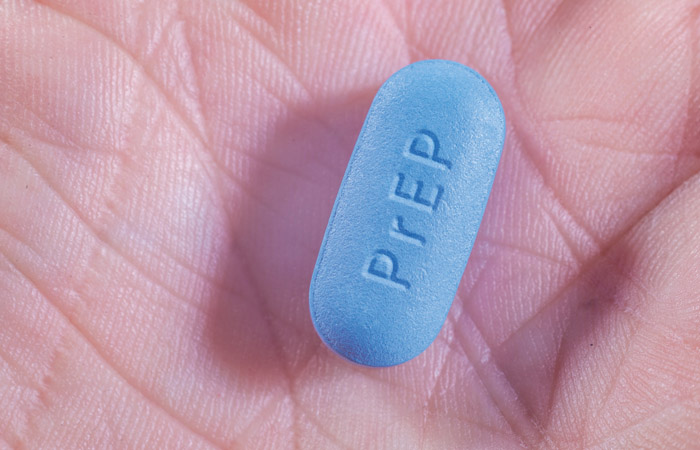
The biggest change in HIV treatment in the last 10 years is the arrival of PrEP (pre-exposure prophylaxis), according to the Terrence Higgins Trust. “PrEP is a medication someone without HIV can take to stop them getting HIV during sex without a condom,” they explain.
The medication used for PrEP is a tablet which contains tenofovir and emtricitabine (drugs commonly used to treat HIV). It is available for free on the NHS in England, Scotland and Wales and from sexual health clinics.
Side effects are very rare, but some users may experience nausea, headaches or tiredness. Occasionally the PrEP will affect kidney function so customers taking the medication should be advised to have regular kidney function tests.
It’s also important to remind customers that despite the fact PrEP is highly effective at preventing HIV, unlike condoms, it will not protect them from other STIs or unplanned pregnancies.
U=U
Whilst PrEP can be taken by individuals who are HIV negative to prevent transmission, as of 2023, there is no cure for those living with HIV. There are, however, drug treatments that enable most of those suffering to live a long and healthy life.
Antiretroviral drugs stop the virus replicating in the body, allowing the immune system to repair itself and prevent further damage. Different combinations of HIV medicines work for different people, but most of those diagnosed with HIV take between one and four pills a day.
The HIV viral load is measured to see how effective treatment is. Once it can no longer be measured it’s known as undetectable. Most people taking daily HIV treatment should reach an undetectable viral load within six months of starting treatment.
“The fact that people living with HIV who are on effective treatment can’t pass on the virus is widely known as undetectable=untransmittable (U=U),” says the Terrence Higgins Trust. “It’s a life changing message for people living with HIV.
“It reduces the stigma around the virus and provides motivation to people to stay on treatment to keep themselves and sexual partners healthy. U=U means that HIV doesn’t have to be a barrier to living, dating, working or starting a family.”
Crucially, an undetectable viral load means that an individual’s partner – if HIV negative – does not have to take PrEP to stop them from catching the virus. “If somebody living with HIV is on effective medication and their partner is HIV negative, they do not need to take any PrEP because they cannot catch HIV from that person on effective medication,” explains John. “It’s a clinically proven fact, the only person you’re going to catch HIV from is somebody who hasn’t been tested and thinks they’re HIV negative.”

The virus doesn’t discriminate
Recent estimates suggest that there are 106,890 people living with HIV in the UK in 2019, according to the Terrence Higgins Trust. In 2019 alone there were 4,139 people diagnosed with HIV. Of these, 41 per cent were gay, bisexual or men who have sex with men, according to the charity.
A relatively new disease, first clinically observed in 1981, the well-documented history of HIV (once referred to as gay-related immune deficiency) has led many to solely associate the virus with homosexual men. Indeed, some still believe that it is only men who sleep with men (or those that inject drugs) who become infected. This, of course, is not the case.
“When we talk about HIV, the one thing we must recognise is that it is a virus and it affects us all,” explains John. “It does not matter what our sexuality, race, religion is or whether we are male, female or transgender.”
In fact, this misconception can be directly linked to late diagnoses. Of those diagnosed late with HIV, 52 per cent were heterosexual men and 59 per cent were aged 65 and older, according to the Terrence Higgins Trust.
“There’s over 5,000 people in the UK that are unaware they’re living with HIV. Those numbers are reducing and what’s happened since the arrival of PrEP is that new cases amongst the gay, bisexual and men who have sex with men has declined massively,” explains John. “But as far as heterosexual people are concerned, it’s steadily increasing because they don’t think it applies to them. They’re not testing, so they’re not using PrEP when they should be.”
John’s advice to tackle this? Always think HIV. “If there’s any problem, check,” he says. “Don’t look at the colour of somebody’s skin or their sexuality or the fact that they speak in a terribly refined way because actually they could be the ones who are going to be the late diagnosis.”
Get testing
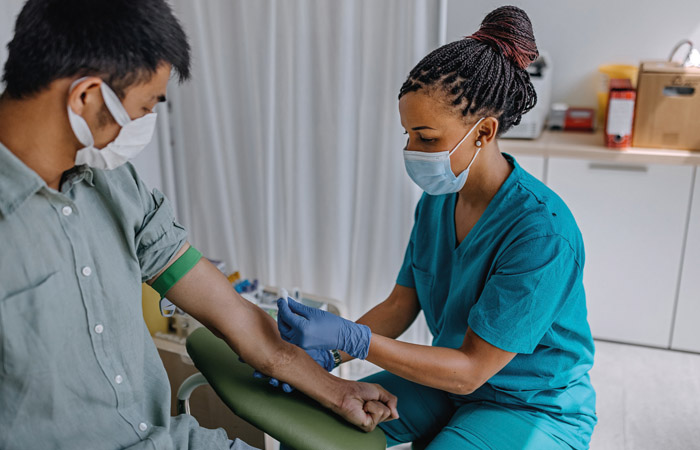
As with most diseases, early diagnosis is key to improving an individual’s chances of controlling HIV as well as reducing the risk of passing the virus on to others. For this reason, it is vital that those who think they may have been exposed to HIV seek medical advice as soon as possible. Pharmacy staff should be familiar with local HIV testing services and be able to signpost customers to these if needed.
John’s advice is to speak to all customers about doing regular HIV tests as much as possible. “Be open and talk about HIV and testing,” he says. “If you’re sexually active, you should be testing, depending on how many partners you have, at least once a year. If you’ve got more partners, it’s probably every three months. Then of course if it comes back positive then you have to do full bloods.”
“Stigma is the biggest killer for anyone living with HIV. It’s the fear of how people will react to us. If you walk into a pharmacy or to a GP surgery and you are living with HIV or you are afraid you might be, the worst thing is how do I speak to someone?
“That is the killer because ultimately what happens is so many people commit suicide because they can’t cope with it and it’s just like any other health condition. It’s so important that we get rid of the challenges that they might come across and we help them in that journey.
“We can get to zero new transmissions of HIV by the year 2030, but we will only do it if we get rid of stigma.”