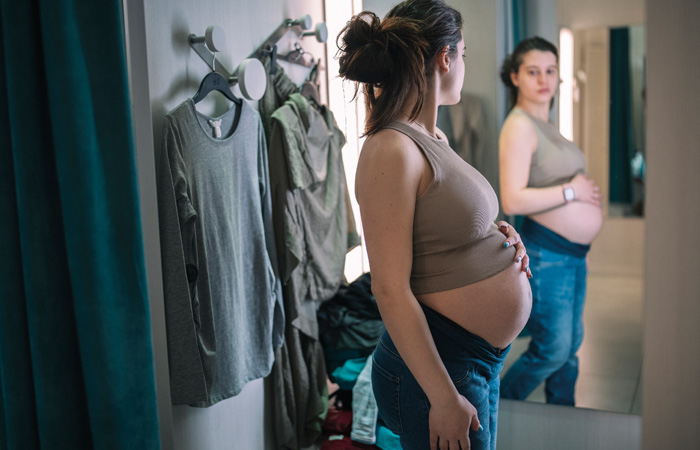
Pregnancy is often publicly portrayed as one of the happiest times in an expectant mother’s life. Indeed, the pregnancy “glow” is a common trope throughout the three trimesters.
Despite this, there are many symptoms, and even conditions, that come along with pregnancy and can be extremely difficult for new mothers to cope with.
What can make this harder is that these negative implications often go unspoken about. As an important part in a new mother’s journey, the pharmacy is the perfect place to open up this kind of conversation. But what are these not so “glamorous” aspects of pregnancy and how can the pharmacy team help?
Morning sickness
Arguably the most well-known side-effect of pregnancy, morning sickness, can affect pregnant women at any time of the day or night. Very common in early pregnancy, it usually clears up by weeks 16-20 and does not put the baby at any risk. Whilst hormonal changes in the first 12 weeks of pregnancy are cited as the main cause, other risk factors for morning sickness are having multiple children (twins or triplets), tending to get motion sick, obesity, stress and family history.
As every pregnancy is different, there’s no set treatment for morning sickness, however, there are a variety of lifestyle changes pharmacy teams can recommend to try to ease symptoms including getting plenty of rest; eating small, frequent, high-carb, low-fat meals of plain foods; drinking plenty of fluids and consuming food/drink containing ginger.
If the nausea and vomiting become severe and there is no improvement, refer the patient to the pharmacist who may recommend they see a GP for an anti-sickness medicine that’s safe to use in pregnancy.
Swollen feet
Most women will experience swelling due to increased water retention during pregnancy. Typically, the pressure of a growing womb can affect blood flow in the lower body, causing fluid to build up in the legs, ankles and feet.
Like morning sickness, while there’s no cure, pharmacy teams can offer new mothers some lifestyle advice to help reduce the swelling. They should wear comfortable shoes and socks, rest their feet as much as possible, drink plenty
of water, exercise and avoid standing for long periods of time.
Staff can also recommend exercises to relieve pressure which can be done whilst sitting or standing. These include bending and stretching the foot up and down 30 times and rotating each foot in a circle eight times one way and eight times the other.
If a customer comes in complaining of a sudden increase in swelling, problems with vision, severe pain below the ribs or a very bad headache, they should be referred directly to the pharmacist as these could be symptoms of pre-eclampsia which must be monitored closely.