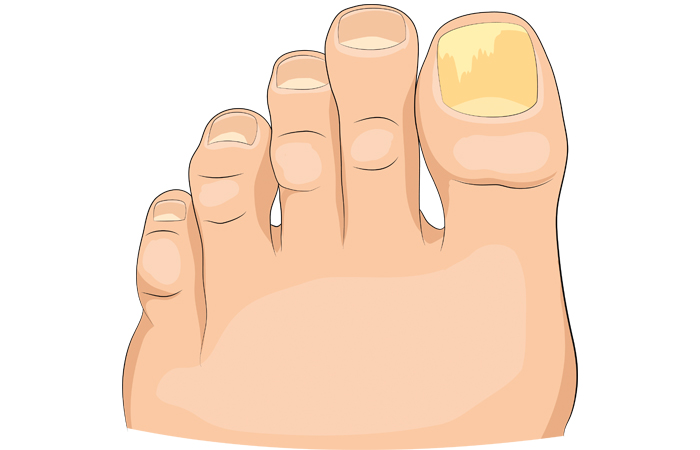
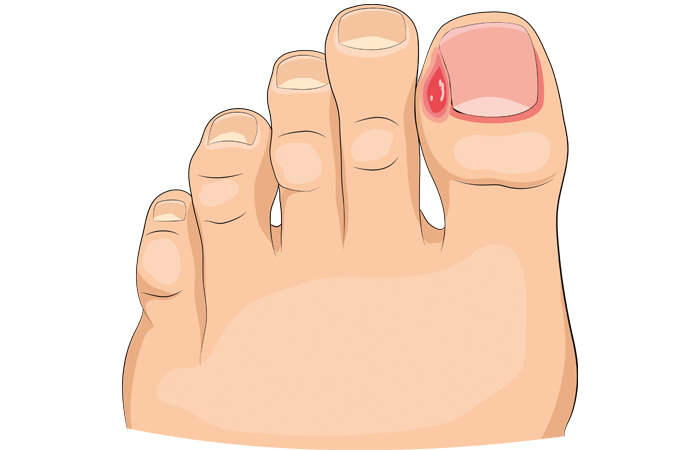
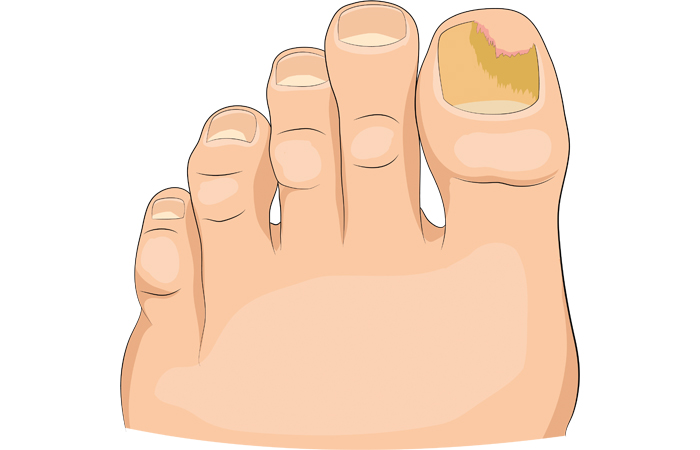
Fungal nail infections are also known as dermatophytic onychomycosis, or tinea unguium. The responsible fungus is usually the same cause of athlete’s foot but spread to the keratin of the nails.
“Yellow, sensitive and bumpy toenails can be a sign of fungal infection”, says Janky Raja, Boots UK pharmacist, and can be avoided by keeping feet “clean and dry, and wearing clean socks every day”.
“Many nail problems can look like a fungal infectio...
Fungal nail infections are also known as dermatophytic onychomycosis, or tinea unguium. The responsible fungus is usually the same cause of athlete’s foot but spread to the keratin of the nails.
“Yellow, sensitive and bumpy toenails can be a sign of fungal infection”, says Janky Raja, Boots UK pharmacist, and can be avoided by keeping feet “clean and dry, and wearing clean socks every day”.
“Many nail problems can look like a fungal infection – for example the changes seen in psoriasis, after a bacterial infection or an old injury,” according to the British Skin Foundation (BSF). But antifungal tablets are not effective. “The right treatment may depend on knowing which fungus is causing the trouble and it can take several weeks to get culture results,” adds the BSF.
If the infection has taken hold then OTC nail paints and prescription tablets can help, although they can’t always completely return the nail to a ‘normal’ appearance. Topical treatments contain anti-fungal and antibacterial agents which may help reduce the spread or severity of the nail infection. Customers can also talk to their GP about oral medications such as terbinafine or itraconazole, which need to be taken for a minimum of three to six months – although these can affect the liver.