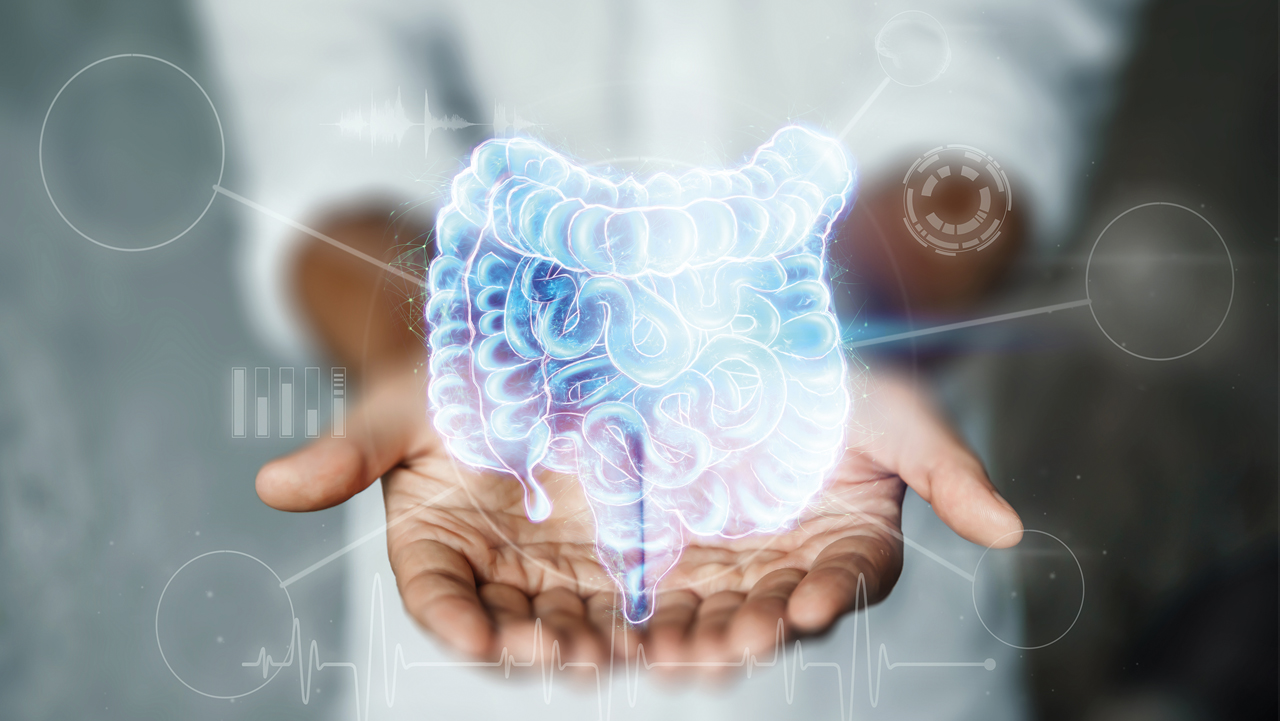
Some 2,000 years ago, Hippocrates (albeit apparently) said: “All diseases begin in the gut.” Whether he definitively said it or not, there is certainly substance to the statement, with more research showing that the gut is linked to various aspects of our health; mental, physical, and emotional. A healthy gut is also linked to the prevention of certain conditions and diseases, but how?
Understanding the gut
Medical nutritionist, Dr Sarah Brewer, says the gut microbiome “acts like an endocrine organ that can influence your mood, metabolism and have significant effects on your glucose control, energy levels, cholesterol balance, obesity, sleep and fatigue in ways that are not yet fully understood”. The gut microbiome is best thought of as an ecosystem home to over 1,000 different bacterial species, viruses, fungi and parasites and is unique to each individual, changing throughout our lives. “Your gut is sterile at birth but quickly becomes colonised by bacteria so that, by adulthood, it contains an estimated 3.8 trillion bacteria. These, plus all the microbial products they contain or secrete (e.g. proteins, nucleic acids, genes, toxins and signalling molecules) form what’s known as your gut microbiome.” Also where the enteric nervous system is located – in the lining of the gastrointestinal (GI) system – the gut is connected to the brain via neural pathways. This is why the gut has been referred to as a ‘second brain’ because the brain and the gut microbiome are physically connected and constantly transfer messages to each other. It is also because our gut can perform many tasks independently of the brain, like producing 95 per cent of the serotonin in our bodies – a chemical messenger responsible for stabilising our mood. This is why when you are nervous, you feel ‘butterflies in your stomach’ or feel like you need the bathroom despite having just gone, as our brains and guts communicate and influence each other constantly. Dr Brewer further elaborates that: “Serotonin also acts as a brain transmitter, regulating mood, and influences how the brain ‘switches off’ gut signals so you aren’t aware of what might otherwise prove uncomfortable gut contractions. Faulty interactions between the gut and brain is now thought to play a role in how we cope with stress and anxiety, and the development of symptoms associated with irritable bowel syndrome.”
The gut microbiome operates in a symbiotic relationship with us, the host. If we feed our gut nutrients, it will be able to perform its tasks well – regulate our bowel movements, flush waste from our bodies, absorb nutrients and secrete enzymes. If we do not provide the nutrients it needs, aspects of health will suffer, leading to digestive issues or irregular emotional patterns amongst other potential issues. Similarly, if we are stressed or feel anxious our gut may react in turn, for example with flare-ups of irritable bowel syndrome (IBS). An unhealthy gut can also lead to:
- Leaky gut syndrome, a hypothetical condition where the gastrointestinal lining absorbs more water than nutrients, causing it to ‘leak’
- Dysbiosis, which refers to an imbalance of bacterial composition and changes to metabolic activities
- Inflammatory bowel disease (IBD) which is chronic inflammation of the GI tract.