There is no doubt that local pharmacies are at the heart of NHS primary care services, with pharmacy teams interacting with 1.6 million people every day, according to the National Institute for Health and Care Research. Let’s explore some of the many ways pharmacy teams are providing screenings.
Taking on the task
The community pharmacy role is increasingly focusing on giving more advice and providing more healthcare services to patients in the community, including the new Pharmacy First Advanced service.
“Given their unique position at the heart of communities, pharmacies are ideally placed to support access to health checks and tests through NHS-funded services,” says Alastair Buxton, director of NHS Services at Community Pharmacy England. “Enabling pharmacy teams to provide testing and, where appropriate, access to test results in patient’s medical records could help to reduce the demand on general practice, supporting safer provision of medication and creating opportunities for more person-centred interventions and care.”
The national NHS Health Check is commissioned by local authorities and delivered through GP surgeries and community pharmacies. Around 1.3 million health checks are delivered each year. The service involves a face-to-face check-up for adults aged 40-74, helping to spot early signs of stroke, kidney disease, heart disease, type 2 diabetes or dementia. In June 2023, the Government announced that a new digital NHS Health Check will be launched this spring, working alongside the existing in-person programme. This is expected to deliver an additional one million checks over four years, while easing pressure on GP surgeries.
What’s on offer
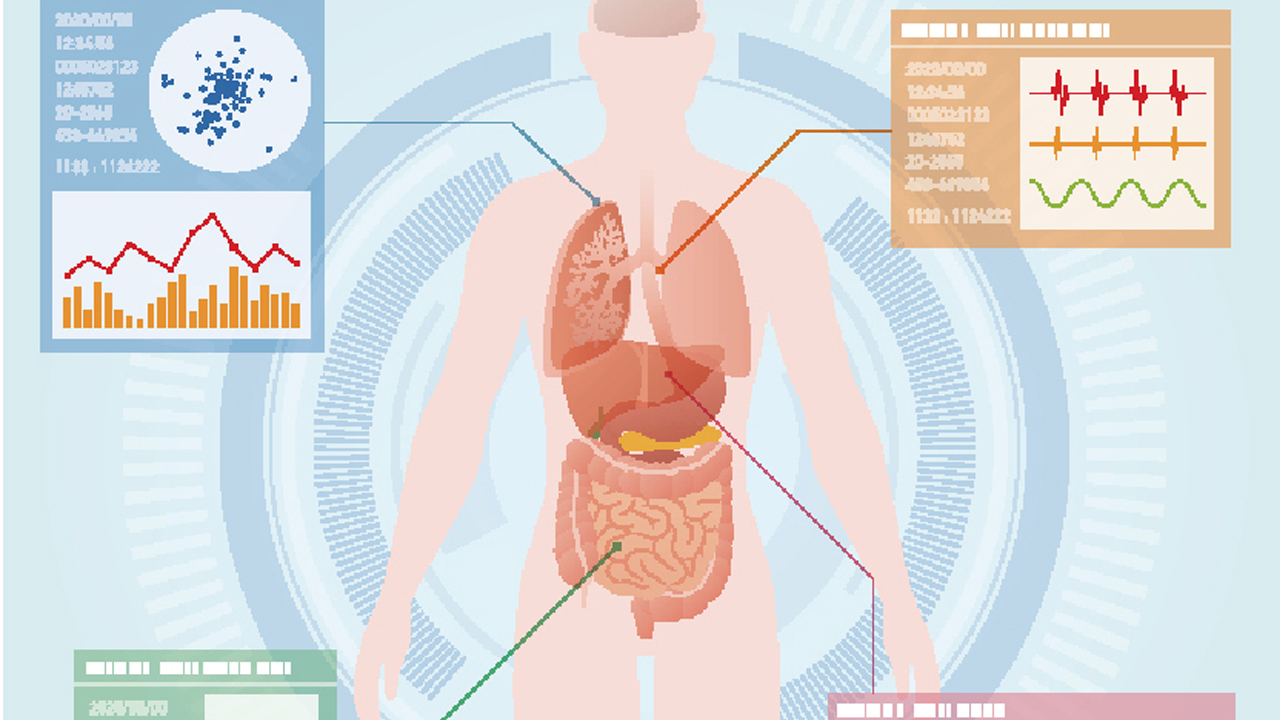
Current diagnostic services within community pharmacies include blood pressure checks, cholesterol testing, blood glucose monitoring and body mass index (BMI). Many community pharmacies are expanding further on the NHS and private services they already offer.
“Nuffield Trust and The King’s Fund identified ‘preventing ill health and supporting wellbeing’ as one of the four pillars of their vision for Community Pharmacy,” says Alastair.
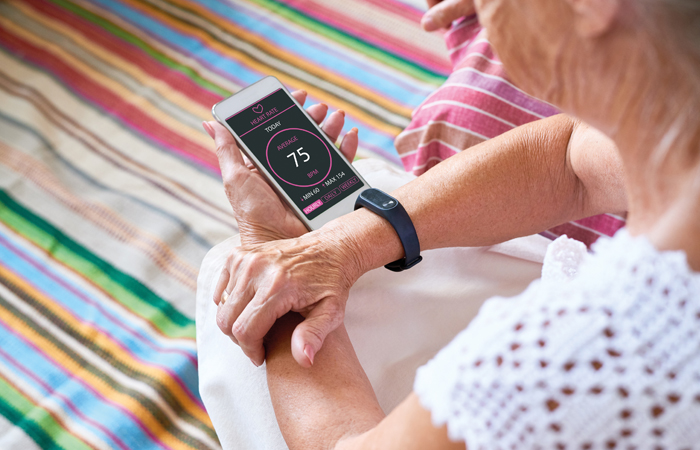
“As well as offering advice and support to make healthier lifestyle choices, it recommends that pharmacies provide a range of public health services and targeted health checks, such as cholesterol tests. In time, it would be a natural development for pharmacy teams to support early detection of ill health through advances in technology such as smartphones or wearables, making this type of support available to a much wider section of the population and so help reduce health inequalities.”