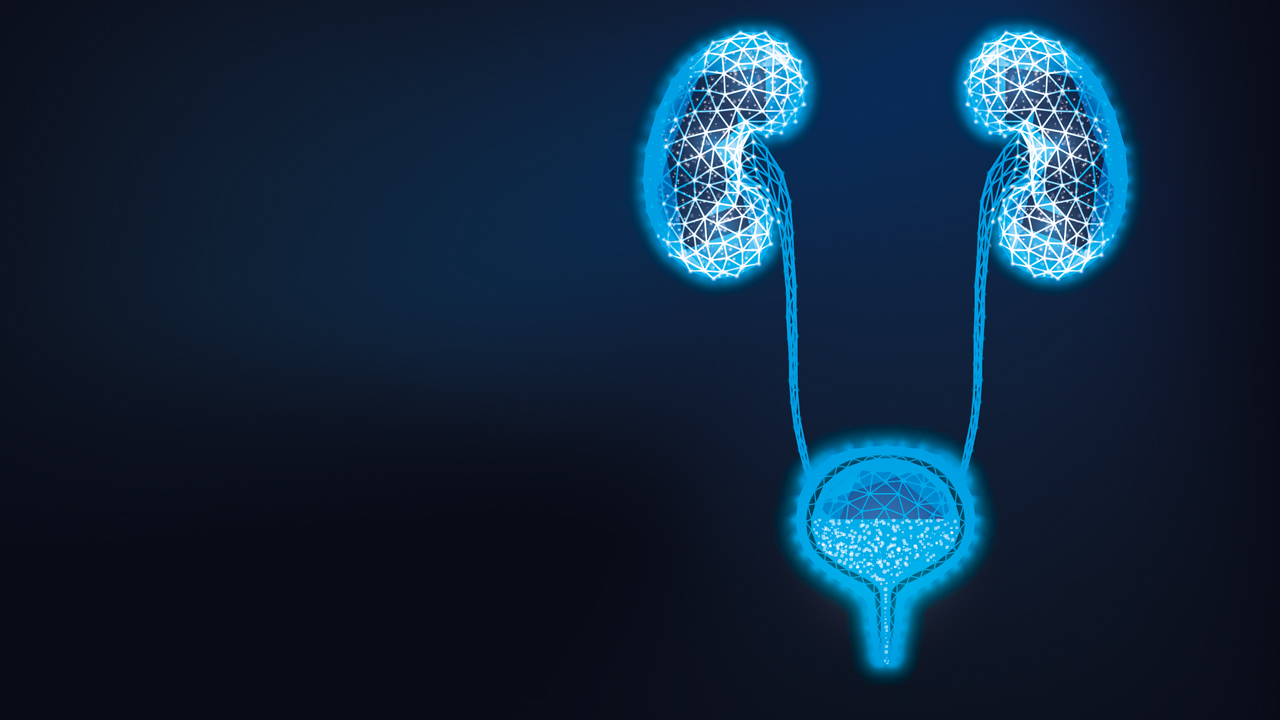
Despite not being a popular topic of conversation, bladder weakness and incontinence affects a staggering number of lives. Since many struggle in silence, it’s impossible to know exactly how many people suffer from the condition, but estimates suggest around 14 million people in the UK live with bladder problems. That’s more than the number suffering from migraine. While there’s clearly further progress to be made in terms of tackling perceived taboos, pharmacy teams are ideally placed to offer vital support and debunk myths.
Different types of incontinence
Perhaps the most common misconception is that bladder weakness only affects pensioners and new mums. “Bladder issues can affect men, women and children at any age, although sufferers are predominantly women,” says Lyndsey Allen, advice line specialist nurse at Bladder Health UK. “It’s estimated that over five million people in the UK have issues with overactive bladder, whilst the reported prevalence of urinary incontinence in women varies widely (five to 69 per cent) and is known to be higher than that of men. It is recognised that it increases up to middle age, plateaus or decreases between 50-70 years, and rises again with advanced age.
“Risk factors include those with other conditions such as diabetes, multiple sclerosis (MS), Parkinson’s disease, spinal injury, dementia, and prostate problems in men. Additionally limited mobility, obesity, menopause, and some medications including diuretics and opioids can contribute to bladder issues.”
There are several types of urinary incontinence, which include:
- Stress urinary incontinence: urine leaks because of pressure placed on the bladder by an action such as laughing, sneezing or lifting something heavy
- Urge urinary incontinence: a sudden need to urinate followed by an uncontrollable loss of urine
- Overflow urinary incontinence: a continual dribble due to an inability to fully empty the bladder
- Functional incontinence: struggling to get to the toilet in time due to some type of physical limitation such as severe arthritis
- Mixed urinary incontinence: multiple types of incontinence together, usually a combination of stress and urge.
“Women are more likely to suffer from ‘stress’ incontinence, especially if they have experienced pregnancy, childbirth or the menopause,” adds Sharon Hamilton, registered nurse adviser for MoliCare® products. “Men may experience increased risk of ‘overflow’ incontinence if they suffer from prostate gland problems.”
The effect of bladder issues can be immense. “It poses a threat to autonomy and independence,” explains Lyndsey. “It impacts physically, mentally and emotionally. It usually affects all aspects of daily living – including relationships, sexuality, employment and socialising – and can often lead to isolation, the feeling of being a burden and sleep deprivation. Many sufferers feel alone and unsupported.”