


In October 2021, research presented at United European Gastroenterology (UEG) Week Virtual – which brought together the leading European medical specialist and national societies focusing on digestive health – revealed that around 13 per cent of women and nine per cent of men frequently experience abdominal pain when they eat meals.
The survey of more than 50,000 people found that those who experienced frequent abdominal meal-related pain also suffered from high levels of anxiety and depression compared with people who didn’t get meal-related pain.
According to Professor Ami Sperber, lead author of the 2021 Global Epidemiology Study of Functional Gastrointestinal Disorders (FGIDs), 40 per cent of people worldwide have disorders of the gut–brain axis (how the gut and brain communicate with one another). “Many patients with disorders of gut-brain interactions such as irritable bowel syndrome and functional dyspepsia ascribe their symptoms to food and eating,” he says. “A major complaint is the development of pain following meals.”
The gut-brain axis
The link between the gut and the brain is well established, although poorly understood, and it’s known that the gut microbiome plays an important role. Increasingly, research is showing that improving gut health may improve mental health, and vice versa, with a focus on ‘psychobiotics’, which include dietary factors, probiotics and prebiotics. By influencing the gut microbiome, psychobiotics may have various positive effects on physical and mental health.
“The market projections for gut health products are very encouraging,” says Dr Lucien Harthoorn, research and development director at Clasado Biosciences, which makes Bimuno prebiotic supplements. “Prebiotics, for example, are projected by market intelligence firm Grand View Research to experience a compound annual growth rate (CAGR) of 10.5 per cent to 2025.
Many patients with disorders of gut-brain interactions such as irritable bowel syndrome ascribe their symptoms to food and eating
The wider market for digestive health is also seeing global growth, projected to reach a global market value of $71.95 billion by 2027, with a strong CAGR of its own at just under 8 per cent, according to Fortune Business Insights. As well as standalone supplements, there is a growing market for gut health-oriented functional foods. A supplement category on the rise is synbiotics – products that contain both prebiotic and probiotic ingredients.”
The human gut is teeming with microbes that help to digest food and produce substances (such as vitamins) that are needed by the immune system, metabolism and other processes in the body. Changes in the variety and volume of bacteria in the gut microbiome may be associated with digestive problems, such as irritable bowel syndrome, inflammatory bowel disease and diarrhoea.
However, the gut microbiome doesn’t just influence gut health. Research papers in the last year have discussed its role in a wide range of conditions, including obesity, type 2 diabetes, dry eye syndrome, cardiovascular diseases, psoriasis, psychiatric disorders such as schizophrenia, mental health disorders and cancers.
The gut microbiome influences the immune response and inflammation in the body, which may explain why it plays a role in some of the above diseases. In January 2021, research published online in the journal Gut revealed that the microbiome may influence the severity of Covid-19 as well as the magnitude of the immune system response to the infection. Imbalances in the make-up of the microbiome may also be implicated in the persisting inflammatory symptoms that cause long Covid.
“It’s important to highlight the link between our gut microbiome and our wider health,” says Rebecca Traylen, head of nutrition at Probio7 Probiotics. “Often, people think that if they don’t have any problems with their digestive health, they don’t need to be thinking about their gut health. Often, we aren’t aware of how connected our gut is – for example, the reason we get butterflies in our stomach when we are stressed or anxious is due to the gut-brain axis. Everyone is also more aware of how important it is to look after your immune system. With 70 per cent of our immune system found in the gut, looking after it plays a large role.”
Creating a healthy microbiome
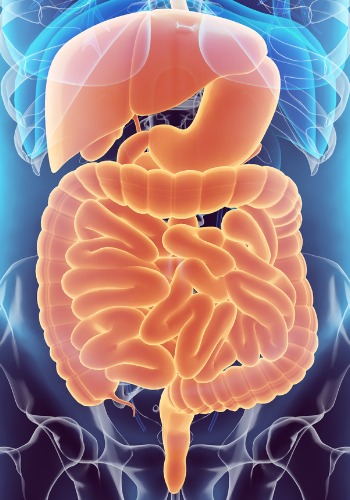 Scientists have been trying to establish what a healthy gut microbiota looks like, but it seems that there’s no definitive answer. Having a large variety of bacterial species (biodiversity) seems to be important. “It’s extremely difficult to define a ‘healthy’ gut microbiome because it’s such a complex and variable system,” says Dr Harthoorn. “Comprising trillions of bacteria in ever-shifting compositions, an individual’s gut microbiome is as unique to them as their fingerprint – so what a ‘healthy’ gut microbiome looks like can be very different from one person to another. However, we do know that certain bacteria in the gut are beneficial to us and can support non-digestive areas of health, whereas other types of bacteria are less beneficial. When we talk about gut health, we are usually referring to this balance of bacteria in the gut.”
It’s not yet clear if specific foods and dietary patterns have clinically significant effects on inflammatory diseases, but a healthy, varied diet seems to improve the diversity of the gut microbiome. In April 2021, research published in Gut found that a high dietary intake of animal products, processed foods, alcohol and sugar is linked to a gut microbiome that encourages inflammation. However, a diet rich in plant-based foods (e.g. nuts, fruit, vegetables and cereals), low-fat dairy and oily fish is linked to gut microbes that have the opposite effect.
the gut microbiome doesn’t just influence gut health. Research papers in the last year have discussed its role in a wide range of conditions
Other lifestyle factors also play a role in keeping the gut healthy. A Dutch review of research published in Gut in August 2020 looked at the interaction between common medicines and the microbiome. Proton pump inhibitors (PPIs), metformin, selective serotonin reuptake inhibitors and laxatives can influence gut microbiome composition and function – PPI-induced changes can lead to enteric infections, such as Clostridium difficile infections.
“Aside from our diet, smoking, lack of exercise, stress, obesity, sedentary lifestyles and circadian disorganisation (shift-work, overseas travel) can all have an effect on our gut microbes,” says Claire Barnes, technical advisor and nutritional therapist at Bio-Kult. “In addition, medications (especially antibiotics) and sanitisation have been key in controlling infectious diseases but are also having detrimental consequences on our beneficial gut microbiome. Studies have shown that exercising, reducing stress, getting outdoors in nature and improving sleep can all help to keep the gut microbiome healthy.”
Dr Linda Thomas PhD, external consultant advisor to PrecisionBiotics, says that eating a healthy diet rich in vegetables is the quickest and easiest way to improve or maintain a healthy gut microbiome, but some supplements may also help. “A probiotic backed by scientific evidence, properly labelled, and containing strains that are genetically sequenced is worth considering,” she says, “particularly in certain instances, such as if experiencing gut problems, taking antibiotics, suffering stress or feeling run down.
“Probiotics are available as yoghurts, fermented milk drinks, tablets and capsules. Live yoghurt is nutritious, but may only contain yoghurt starter cultures; one can’t be sure any product contains live probiotic strains. No probiotic colonises an adult gut permanently, so it’s important to take the product every day. For disorders such as irritable bowel syndrome, the latest advice is to try a probiotic for 12 weeks as it may take time for effects to become evident.”
Expansion on shelf
Ms Barnes says that certain pharmacy customers may benefit from probiotic supplements. These include people with irritable bowel syndrome, migraines or regular urinary tract infections. “Probiotics have been shown to help prevent some of the side effects of antibiotics,” she says. “The earlier you start taking the probiotics, the more effective they appear to be against the side effects. Ideally, pharmacists should recommend taking the probiotics at least two hours away from the antibiotics, and continue to take them for at least two weeks after finishing the antibiotics course.”
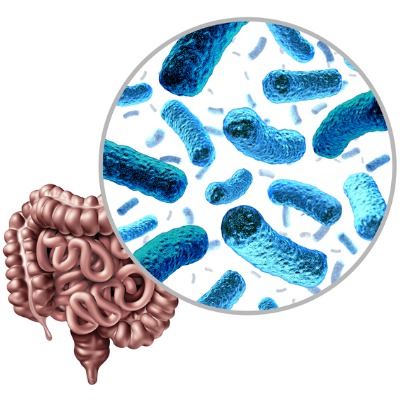 Some probiotic and prebiotic supplements aim to support the microbiota in general – Sanofi launched Buscobiota in 2020 to support gut health, especially in those looking for a daily supplement. Other gut health supplements have been developed for specific conditions or purposes. The Bimuno prebiotic supplement range includes Bimuno Daily, a flavour-free powder that can be stirred into hot or cold drinks for everyday use. The range also includes Bimuno IBaid and Bimuno Travelaid, designed for those with sensitive stomachs, or while travelling or on the go.
The Optibac Probiotics range, which had a major brand and packaging refresh for 2021, includes various probiotic supplements – for every day, women, children, those on antibiotics, travel, cholesterol and immune support. The Bifidobacterium longum 35674 probiotic strain in Alflorex (from PrecisionBiotics) was selected and developed specifically to target symptoms of irritable bowel syndrome. PrecisionBiotics’ Zenflore contains a B. longum 1714-Serenitas strain and B vitamins to target the gut-brain axis, reduce fatigue and support the mind and body.
The recently launched Probio7 Professionals AB21 has been specifically formulated with probiotic bacteria that support the gut-lung axis (with additional vitamin D to support the immune system). The Bio-Kult range includes products for the immune and digestive systems, as well as Bio-Kult Brighten (to improve people’s ‘inner smile’), Bio-Kult Pregnéa for pregnancy and Bio-Kult Migréa for the normal functioning of the nervous system, along with tiredness and stress.
Ms Barnes says multi-strain formulations have been shown to be more effective in certain conditions. “Different strains exert their effects in different parts of the digestive tract, so multi-strain products may provide more all-round support,” she says. “Multi-strain products also more accurately reflect our exposure to bacteria in nature, and a more diverse microbiome is associated with increased health benefits. Certain groups of the population may particularly benefit from certain species of bacteria. Babies tend to require more Bifidobacterium, whereas women suffering with urinary tract infections or thrush are likely to benefit from Lactobacilli species, which inhabit the genitourinary tract.”
As the market for gut health supplements increases, Jenna Hope, nutritionist at www.jennahopenutrition.com, says pharmacies need to be mindful of the products they stock. “Along with those that have been scientifically tested come a lot of unregulated and untested products,” she says.
“Pharmacists should ensure that the products on their shelves have been tested in rigorous studies which prove they can carry out the claims promoted on pack. Probiotics commonly stocked for gut health should have evidence to support the relevant strains and species with regard
to specific health conditions. While some individuals may benefit from gut support, such as prebiotics and probiotics, these are not always applicable for everyone and, in some cases, supplements can make the symptoms worse.”
Some studies suggest that taking a probiotic 30 minutes before or with a meal may enhance the viability of the bacteria
Mitesh Desai, CEO of Landys Chemist, says that pharmacists shouldn’t be driven by price. “Focus on finding high-quality brands that spend more on research than they do on marketing,” he says. “The issue with probiotics is that they are not all equal – even when the ingredients are identical on a bottle. There are some key questions to research when you’re looking for a probiotic: will the bacteria survive the journey to the stomach and intestines? Will they thrive once they get there? Not all capsules are made with careful research. If the capsule shell breaks down too early or too late, this will inhibit the chances of the bacteria landing in the gut at the right moment and starting to do their work.”
He also says that having the right product to suit each customer is important. “One of our favourite products is Symprove,” he says, “a liquid which contains a huge number of bacteria per dose and also a wide range of different bacteria. Symprove has been proven in clinical trials to survive the journey and then thrive once in the gut. That said, the taste of Symprove isn’t for everyone and for some people this is a deal breaker.”
Choosing supplements
 Dr Thomas says there’s no minimum level of bacteria, but most tablets/capsules contain 108 CFU [colony forming units] or more. “The safety and efficacy of the probiotic strain should be known (individually and in a mixture, if appropriate), and strains fully genetically sequenced and known to be safe,” she says. “Due to food labelling regulations, the products should not be labelled as ‘probiotic’ and will not show medical or health claims. The clinical and scientific evidence for the probiotic strains should be available to healthcare professionals by searching sites such as PubMed using the strain name, or (easier) accessing the manufacturer’s scientific website.”
Ms Barnes says there are different schools of thought about the best time to take probiotics. “Some studies suggest that taking a probiotic 30 minutes before or with a meal may enhance the viability of the bacteria compared to taking it 30 minutes after,” she says. “This is due to the buffering effect of food against the low pH (acidity) of the stomach. People may also prefer to take the capsules with food to ensure greater compliance. Some research also indicates that survival of the bacteria may be enhanced by taking probiotics with foods containing fat. However, some probiotics, such as Bio-Kult, are manufactured using a cryoprotective coating that is applied to the individual bacteria and thought to potentially offer additional protection against the acidity of the stomach.”
Mr Desai stresses that gut health supplements don’t always work overnight. “You have to commit and take them over time to allow your gut to fully recover,” he says. “Any conversation about immunity, sleep, mood and digestion should include a conversation about probiotics. In addition, you can train your staff to always talk about probiotics when they’re giving out antibiotic prescriptions.”
Views of the P3pharmacy category panel
“Digestive health is becoming increasingly important, especially as more research connects gut health to chronic disease. Common queries cover the differences in probiotics, types of fibre and how to build a more regular bowel habit. Bio-Kult is a brand I reach for. Fybogel, lactulose and senna are also very popular when it comes to regularity. As health practitioners, I believe we should be making a big push to better inform our patients that what we consume can have profound effects on our bodies.”
Marisa Maciborka, Well Pharmacy, Tonteg, South Wales
“The pandemic has caused an upturn in many conditions, including indigestion. We make full use of the flavour options of Gaviscon, our most popular range, to allow for patient preference. We find newer PPIs like Guardium to be a harder sell due to perceptions based on price, but there is a slow increase in sales. Stock a wide range of flavours and formulations; patients suffering GI issues want something they find palatable. Place preventative options such as pre- and probiotics within the section, not just with supplements.”
Gareth Evans, Wansford Pharmacy, Peterborough
“Digestive health is not something I regularly discuss or have requests for. If anything, what our customers want is lifestyle advice, like how to maintain a good digestive system. We will recommend that they consume a good mix of soluble and insoluble fibre, including nuts, whole grains and certain fruit and vegetables, that they drink plenty of fluids and exercise regularly. We might also recommend probiotics, as they are known to help restore the natural balance of bacteria in the gut following illness or antibiotics.”
Ellis Nugent, Well Pharmacy, Llantwit Major, South Wales


