

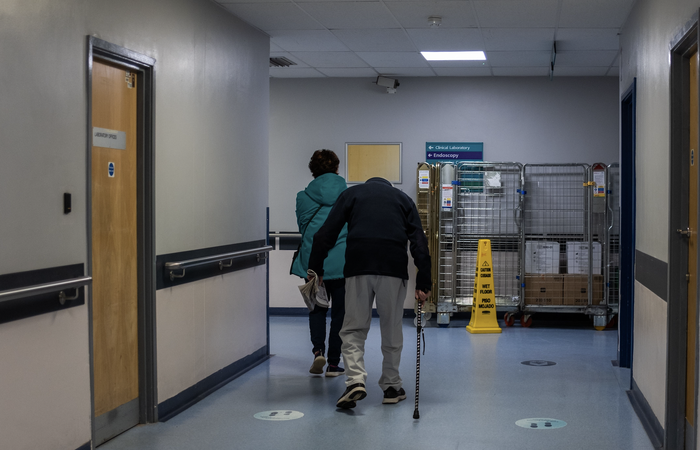
The Royal College of Pharmacy (RCPharms) has told Labour it can tackle corridor care in England by making better use of pharmacists’ expertise to reduce medicine-related harm.
In a letter to health minister Karin Smyth, the chair of RCPharm's English Pharmacy Advisory Council Mahendra Patel said pharmacists were well placed to help reduce hospital admissions as a result of harm caused by medicines.
Over 237 million medication errors are made every year in England, according to the British Medical Journal (BMJ), while other causes of medicine-related harm such as adverse drug reactions and falls continue to put a strain on already stretched hospital resources.
Adverse drug reactions count for about 16.5 per cent of all hospital admissions and cost the NHS £2.21 billion a year, research published in the BMJ revealed.
A Sunday Times investigation last month found 1,000 elderly people are being sent to A&E each day because of inappropriate polypharmacy. About 2.2 million people take 10 or more medicines a day.
Expand pharmacist-led post discharge medicines reviews
In his letter to Smyth, Professor Patel said patients’ access to pharmacist-led post discharge medicines reviews must be expanded “to reduce avoidable deterioration, falls and medicines-related readmissions”.
He also called for senior pharmacists in hospital trusts to be involved in “planning and decision-making on patient flow and corridor care” and medicines reviews for patients likely to be readmitted to hospital because of adverse drug events to be prioritised, particularly those taking multiple medicines or “higher risk medicines” including anticoagulants, insulin and opioids.
“Medicine-related harm remains a significant cause of hospital admissions,” Professor Patel said. “By making better use of pharmacists' clinical expertise, particularly in identifying and supporting people taking multiple medicines or high-risk treatments, we can help prevent avoidable admissions and improve patient care.”
Figures released by NHS England (NHSE) in June revealed about 3,000 patients a day are receiving care in hospital corridors because beds are not available in A&E.
NHSE defines corridor care as care provided to a patient in a clinically inappropriate setting which is deemed to be undignified and unsafe for more than 45 minutes.
According to its figures, there were 2,241 instances each day in May of corridor care while 699 patients were treated in other inappropriate settings, such as toilets, car parks and cupboards on a daily basis.
The RCPharm said: “Pharmacists working across hospitals, primary care and community pharmacy regularly see the impact of corridor care.
“(This includes) missed doses of time-critical medicines, the impact of reduced privacy on the ability to take a person’s medication history, lack of safe and appropriate storage of medicines and emergency department holding different medications to wards.”


