A record-breaking two million women prescribed HRT in 2025-26
Arthur Walsh,
05 Aug 2026 2 Min
2 Min

Arthur Walsh,
05 Aug 20262 Min
Arthur Walsh,
05 Aug 20262 Min


More than twice as many women over 40 were prescribed HRT on the NHS in the 2025-26 financial year than five years previously, a new NHS Business Services Authority (NHSBSA) report has revealed.
Published today (August 5), the NHSBSA report found that a record two million women in England aged 40 and over were prescribed HRT to treat menopause symptoms in 2025-26 compared to 800,000 in 2020-21.
The report, which focuses on inequalities with regard to HRT access, found that prescribing rates varied significantly by location, with 14.2 per cent of women over 40 prescribed these drugs in the most affluent parts of England and 8.8 per cent in the most deprived areas.
Brighton and Hove had the highest prescribing rates at 23 in 100 women over 40 years, while the London borough of Newham had the lowest at four in 100 women.
NHS prescribing data also shows that women in rural areas were more likely to be prescribed HRT than women living in cities. NHS North East London was the Integrated Care System region with the lowest rate of HRT prescribing at eight per cent, while NHS Surrey and Sussex had the highest at 17 per cent.
The growth in prescribing has been highest in women aged 40 to 49.
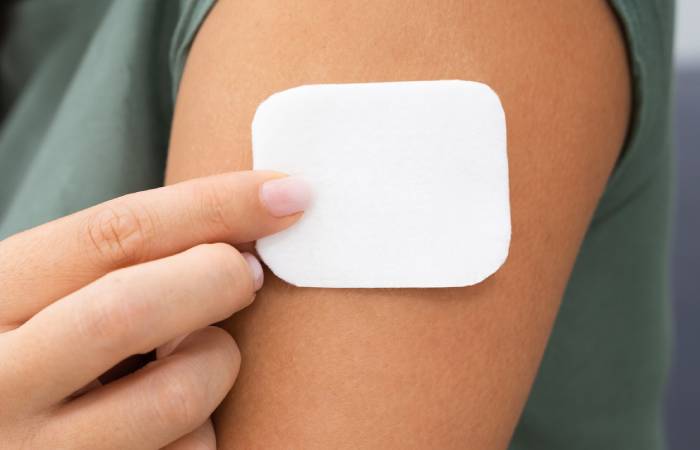
Transdermal products continue to be the most commonly prescribed form of oestrogen HRT, with the use of oral oestrogen products declining.
NHS England’s clinical director for women’s health, Dr Sue Mann, said in her foreword to the report:“Awareness of menopause has increased significantly in recent years, helping to encourage important conversations about women's health and access to support.
“However, there is still more to do to understand the experiences of different groups of women and to ensure that improvements in care are seen across all communities.”
Dr Mann said the rise in prescribing “reflects the growing demand for menopause care and the increasing awareness of treatment options available to women”.
She spoke of the need “to ensure that progress in menopause care benefits all women and does not inadvertently widen existing health inequalities”.
Commenting on the NHSBSA report, National Pharmacy Association chair Olivier Picard said: "This is very significant data and shows that a record number of women are accessing HRT support through the NHS.
"However, these surges in prescriptions for particular products do have unintended short-term consequences for medicine supply to patients and can exacerbate medicine shortages that blight pharmacies on a daily basis.
"Although supply for some HRT products are improving, shortages of certain strengths of Estradot are now some of the longest running of any medicine in NHS history.
"When prescribing habits change, we must make sure supply chains can keep up or we risk worsening access to medicines for patients and put more pressure on over stretched pharmacy teams."
Related: HRT prescriptions in England increased by 11 per cent in 2024-25