

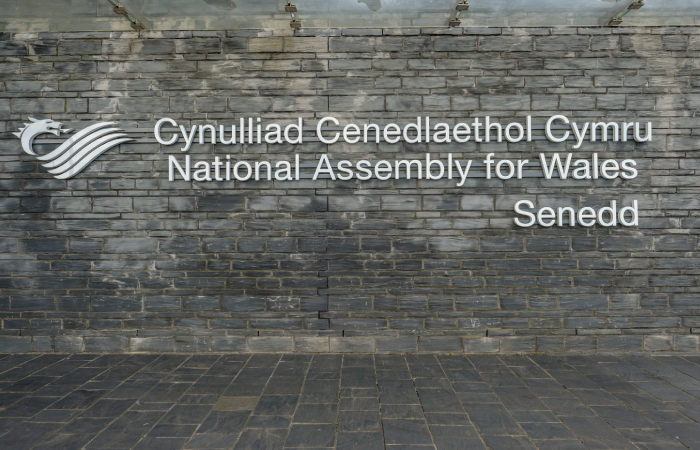
The Welsh Government has faced cross-party questioning from members of the Senedd (MSs) on its plans for addressing the financial difficulties community pharmacies are facing.
In a November 3 Senedd debate on the economic sustainability of community pharmacies, Reform UK MS Claire Archibald pressed Plaid Cymru first minister Rhun ap Iorwerth on the Government’s approach to funding, saying pharmacies “tell me they are regularly dispensing medicines for less than they pay for them – how is that fair?”
She added: “How can we expect them to keep absorbing these losses alongside rising staffing and running costs?
“I'm asking today: will your government review how pharmacies are reimbursed for medicines and take action when they are constantly being paid less than the medicines cost them?”
Mr ap Iorwerth said the Welsh Government plans to “build on current arrangements” and invest in enabling pharmacies “to provide more clinical care closer to home,” adding: “A strong, sustainable community pharmacy network is absolutely essential to our ambition to shift towards prevention and deliver more care closer to home.
“In our deliberations about how we make sure that we get money to the front line in the context of falling funds as a result of the UK Government, we will absolutely have a focus on how we can work as positively as we possibly can to make the most of our community pharmacy network.”
Following UK chancellor John Healey’s budget announcement on October 28, the Welsh Government warned that despite a £146m cash increase in devolved funding, rising inflation will lead to a 1.5 per cent reduction in real-terms funding.
The November 3 debate also heard from Labour MS Mike Hedges, who said: “Will the Welsh Government consider increasing the number of items pharmacies can prescribe? For example, rosacea cream needs a prescription. If we do let pharmacies prescribe more, it will reduce pressure on GP surgeries and help pharmacies.”
Mr ap Iorwerth responded that the success of the minor ailments scheme has shown that pharmacies can offer “a lot more than most people think,” adding: “It would be a mistake by any government not to work very closely with community pharmacy to see what can be expanded, how that would work.
“Of course, we have now more direct prescribers within community pharmacy. That is the direction of travel that we want to continue on. “
Conservative MS Natasha Asghar pressed the first minister on Plaid Cymru’s plans to reverse the drop in pharmacy numbers, saying: “[Pharmacies] deliver more than 84,000 NHS clinical service consultations each and every single month, yet the network has fallen from 716 pharmacies in 2019 to 683 today.
“That's 33 fewer local pharmacies at a time when prescription volumes, clinical activity, workforce costs and expectations are all increasing.”
The first minister said in response: “The answer… is the sustainability of the sector as a whole, and making sure the contracts that are in place allow those businesses to be viable. We need them to be viable. When deciding on how contracts work between Government and pharmacies, that's at the core of it.”
Negotiating body Community Pharmacy Wales (CPW) welcomed the debate, which it said followed a number of recent visits by Senedd members to pharmacies.
CPW commented: “It is encouraging to see the experiences shared by contractors and pharmacy teams being raised at the highest level of Welsh politics.
“We welcome the continued political focus on these issues and the recognition that funding pressures need to be addressed to stabilise and sustain the community pharmacy network in Wales.”


