

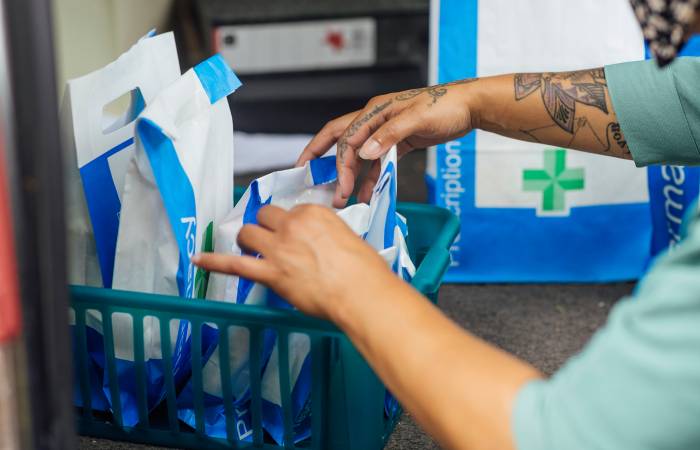
The findings of a National Pharmacy Association (NPA) survey suggest one in 10 patients in England have gone without a prescribed medicine due to cost concerns, with the trade organisation describing this as a “national scandal”.
The survey of 1,781 adults, which was carried out earlier this month, found 12 per cent delayed picking up a prescription in 2025 because they were concerned about paying the £9.90-per-item prescription charge, while 41 per cent worried they might not be able to cover the cost.
Eighty per cent said it was unfair that patients in England are forced to pay the charge, which was scrapped in Scotland, Wales and Northern Ireland over a decade ago.
The NPA said around 11.6 million patients paid prescription charges in 2025, with a further 3.3 million using pre-payment certificates to cap the cost of obtaining four or more medicines. Many patients are exempt on grounds of age, low income or having certain long-term conditions.
Urging chancellor John Healey to scrap what it called a “cruel tax on illness,” the NPA said the charges go against the health service’s founding principles, exacerbate workforce pressures and force pharmacists to “act as tax collectors for the Government”.
Pharmacists have had patients with multiple one-off prescriptions ask “which is the most important to take” to help cut costs, the NPA reported, warning that sufferers of Parkinsons, asthma, multiple sclerosis and kidney disease are not exempt.
The Treasury collected £732m in prescription charges in 2025, up £80m from the previous year.
NPA chair Olivier Picard commented: “No patient should ever see cost as being a barrier to accessing the medicines they need but this polling shows an alarming number do.
“If the Chancellor wants to tackle the rising cost of living and health inequalities, he should bring England into line with the rest of the UK and scrap this unfair and complex prescription tax.
“Pharmacists are health professionals, not tax collectors. They should spend their time helping patients, not administering an unfair tax on illness.”
Sarah Sleet, chief executive of Asthma + Lung UK, called the NPA’s findings, “alarming,” adding: “For people with lung conditions like asthma and COPD, being able to take medication shouldn’t come down to whether or not you can afford it.
“But because respiratory conditions aren’t included on the prescription charges exemptions list, people are left essentially paying for their right to breathe.”
Marianne Radcliffe of Crohn’s & Colitis UK echoed this, calling for an urgent review of the list of conditions that are exempt from prescription charges and saying: "We support calls to scrap prescription charges in England. People with long-term conditions should not be forced to choose between their health and their finances simply because they need medication every day.”
Parkinson’s UK’s Laura Cockram said: “People with Parkinson’s rely on medication to manage their symptoms, yet many struggle to afford the prescriptions they need. A missed, reduced or delayed dose can cause their health to seriously deteriorate. This can lead to greater reliance on NHS services and hospital care, which costs a lot more than £9.90 to deliver.
“Freezing prescription charges is a short-term measure for a long-standing problem. With the current freeze due to end in 2027, the upcoming Budget is an opportunity for the government to take meaningful action.
“If they are serious about tackling the cost of living crisis and preventing avoidable ill health, the government must scrap prescription charges in England, bringing us in line with the rest of the UK.”


