


Focus on men’s health
Arthur Walsh,
30 Apr 2026 1 Min
1 Min

Arthur Walsh,
30 Apr 20261 Min
Arthur Walsh,
30 Apr 20261 Min


In 2024, 36 per cent of men died before their 75th birthday. On average, men live four fewer years than women and spend over a fifth of their lives in poor health.
Cancer, CVD and Type 2 diabetes all have a disproportionate effect on men’s health. Suicide remains the leading cause of death in men under 50, and men accounted for three-quarters of all suicides in 2024.
Living in a deprived area has a huge impact on men’s health and mortality rates, with those in the most deprived areas having twice the mortality rate of men in the least deprived areas.
At the Men’s Health Forum, content and training consultant Jim Pollard says: “We need to break down barriers between men and health services whether those are practical ones like opening hours or attitudinal ones based on ideas of how men should be. Success here begins by recognising where men are rather than where we might like them to be.”
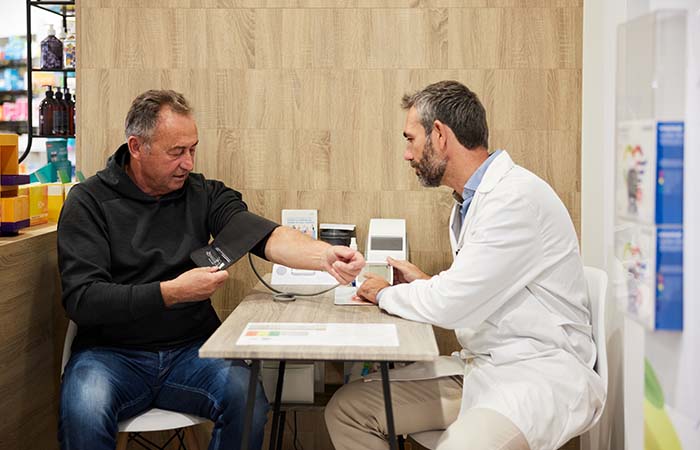
Community pharmacies can play an important role in improving men’s health, helping them to prevent and manage conditions.
Professor Claire Anderson, RPS president, comments: “Community pharmacies are uniquely placed to improve men’s health as one of the most accessible and familiar parts of the healthcare system. This creates valuable opportunities for brief, supportive conversations about blood pressure, weight management, diabetes risk, prostate health and mental wellbeing.”
Jainil Patel, deputy superintendent and head of professional services at Hollowood Chemists, Manchester, says: “Community pharmacies are often the most accessible healthcare setting for men. We can proactively offer screening services such as blood pressure checks, weight management support and smoking cessation while using routine interactions.”
In November, the Government announced the first Men’s Health Strategy for England. The Men’s Health Forum, which campaigned for the strategy for over a decade, was among many organisations to welcome the decision.
The Forum’s chair, Dr John Chisholm, said: “A strategic, gendered approach to healthcare should improve access and outcomes and address inequalities.”
Michelle Terry, CEO at Movember, said: “This bold strategy has strong foundations which can be built on and delivered by government, charities, health professionals, men and their communities working together.”
The aim of the new strategy is to tackle physical and mental health challenges faced by men and boys, and to reduce inequalities. The strategy will focus on three broad aims:
The first step is to work with the new Men’s Health Academic Network and voluntary, community and social enterprise sector to develop a one year on report, highlighting improvements made and where future efforts are needed.
The strategy contains pledges already agreed:
“An important part of providing effective services for men is making sure that healthcare professionals have the knowledge and skills to: diagnose and treat male-specific conditions; understand the male-relevant risk factors; effectively communicate and engage with men,” says the report.
So how could community pharmacy get more involved?
Anderson says: “The Men’s Health Strategy rightly focuses on prevention, earlier diagnosis and reducing inequalities in the conditions that drive premature ill health. Community pharmacies are already contributing to these ambitions through services such as BP checks, smoking cessation support, vaccination programmes and signposting to NHS Health Checks. Framing these services as convenient, confidential and preventative helps normalise proactive health management and reduce stigma.”
In general, men have less contact with healthcare professionals than women, meaning fewer chances to offer them services, such as NHS Health Checks, talk about preventative healthcare or spot the signs of conditions. So, it’s vital that pharmacy staff maximise the potential of interactions they do have, but in a sensitive and engaging manner.
Anderson comments: “It’s important the whole pharmacy team feels confident to start these conversations, particularly with older or socially isolated men. Even a short, opportunistic chat can be enough to encourage men to attend screening or seek advice.”
Patel suggests: “We proactively offer screening services while using routine interactions such as prescription collections to start brief conversations. Early intervention and normalising preventative checks are key. We also offer private services targeted at men such as treating erectile dysfunction and hair loss. We encourage the team to use natural touchpoints, such as handing or prescriptions or OTC purchases, to ask simple questions like ‘when was your last BP check?’ or ‘Have you had a recent healthcare review?’
Ellis Nugent, pharmacist at Davies Chemist in Gurnes, Swansea, says: “We target some of the common health concerns associated with men, including ED, hair loss, mental health, weight issues and general heart health. Our consultation room is clearly signposted and highlighted. Being a male pharmacist also helps, I think. In our store we have a screen advertising the services we provide and that they can speak to the pharmacist privately.”
Pharmacist Gareth Evans at Wansford Pharmacy, Peterborough, says: “Linking all services into a no-fuss message is essential to grab attention. In addition, the message of health improvement through lifestyle intervention needs to be delivered explaining the ability to ‘do it now’ with quick results. Asking men to come back invariably leads to loss of interest. Direct marketing like stuffing prescription bags with a relevant call to action really can work. Working collaboratively with local healthcare providers such as GPs and social prescribers allows for qualified signposting.”
At Numark, medicines safety officer and information pharmacy Jacquie Lee says: “Many men face psychological and cultural barriers to seeking help. Pharmacy staff can help by normalising help-seeking behaviour – simple phrases like ‘You’re not alone in this’ can help. Outreach is a powerful tool. Engaging with men in familiar settings, such as sports clubs and workplaces, can help break down barriers and encourage conversations about health. Co-designing services with local men ensures they are relevant and appealing.”
At Well Pharmacy, head of private services Mital Thakrar says: “We need to move from transactional to intentional conversations and use dispensing moments to ask simple questions such as ‘When was your last BP check?’ This can open the door to wider discussions about heart health, weight or other services. Simple, visible signage can promote the speed and ease of checks, walk-in availability and confidential consultations, helping to remove anxiety.”
To make sure your pharmacy is man-friendly, Patel advises “Clear signage around men’s health services, visible displays of relevant products and a professional, discreet consultation room.”
Lee suggests: “Display male-focused health materials and use neutral, welcoming décor to help men feel more comfortable.”
Anderson says: “Be creating welcoming, inclusive environments and consistently promoting preventative care, community pharmacies can help shift the narrative around men’s health, reinforcing that their health matters and support is available close to home.”
Men are less likely to attend NHS Health Checks, with 45.3 per cent taking up the offer, compared with 54.7 per cent of women. As a result, fewer men are provided with advice and referrals to manage and reduce risk of heart attack, diabetes and stroke.
Patel says: “Opportunistic signposting during prescription collection, highlighting convenience compared to GP appointments and emphasising prevention of heart attack and stroke all help to improve uptake of NHS Health Checks.”
Evans suggests: “Ask men the question about NHS Health Checks. They may just be waiting to be asked or ‘told’ to take up the offer.”
Thakrar says: “Reframe this as a mid-life MOT. Outline the ‘why’ and the benefits of it. Present it as preventative, not a response to illness. Drive awareness through conversations, SMS or email reminders. Normalising the check as something every man should have, rather than something only needed when unwell, can increase uptake.”
Type 2 diabetes is one of the main serious conditions that affects men more than women.
Alexander Ghahramani, senior clinical advisor at Diabetes UK, says: “Pharmacy teams play a vital role in supporting people with and at risk of T2 diabetes by providing advice on risk reduction, prevention and medicine management. Diabetes UK has a free online Know Your Risk tool (https://riskscore.diabetes.org.uk/ ) for people to find out their personal risk of T2 diabetes and steps they can take to reduce it.”
As well as offering advice, pharmacy staff can encourage men at risk to speak to their GP who can refer them to the NHS T2 Diabetes Prevention programme.
Smoking rates in men are higher than in women, and 19 per cent of all deaths in men aged 35 plus can be attributed to smoking.
The Government is investing an additional £70m this year in local authority-led smoking services.
Erectile dysfunction has driven growth in the men’s health sector in recent years, but what about other potential growth areas should pharmacists be looking at?
Nugent says: “ED and hair loss are the two areas that I feel most pharmacies can easily target and are likely to lead to regular sales.”
Thakrar says: “There are significant opportunities across both NHS and private services, including cardiovascular screening, weight management, ED services, hair loss and vaccinations. Pharmacy is well placed to lead in this space, combining clinical credibility with accessibility.”
Nutritionist Dr Pamela Mason from the Health & Food Supplements Information Service says: “Men are becoming more proactive at managing their health and globally the sector is expected to grow by over 10 per cent up to 2030. In supplements the main product growth drivers for men include creatine for muscle maintenance and cognitive health, protein powders for muscle maintenance, collagen for joints and post-exercise recovery, and anti-ageing supplements. Of major concern is that the latest NDNS shows intakes of most nutrients in men have fallen, and especially omega-3.”
To increase sales in men’s health supplements, Dr Mason suggests pharmacists consider stocking the following:


